
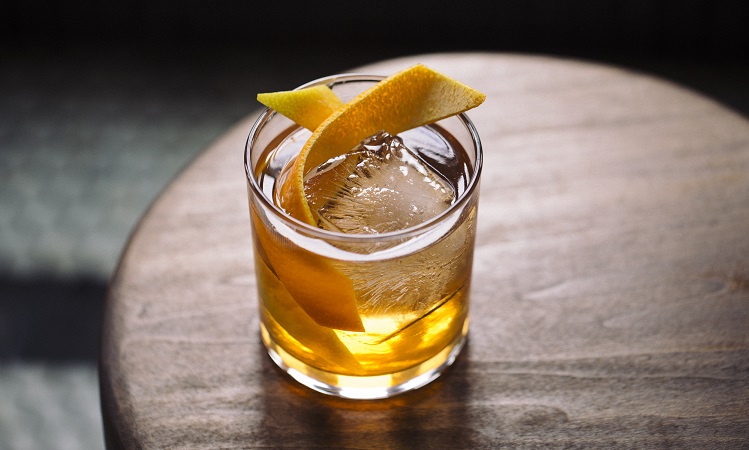
Pendleton Canadian Whisky Review
Pendleton Whisky (they drop the E) is a 10-year old blended Canadian whiskey. It’s made with water from Mt. Hood in Oregon, and is bottled by Oregon’s Hood River Distillers, but since it’s distilled in Canada, Pendleton keeps its Canadian whiskey label.
On the nose, Pendleton Whisky is sweet, with notes of caramel and vanilla. The first sip is very sweet, with lots of brown sugar and molasses, almost reminiscent of an aged rum. A bit of rye spiciness and some smoke filters through to add more complexity to the spirit. It goes down smoothly without any harshness, and finishes with that same sweetness.
Add a bit of water or an ice cube, and the sweetness is tempered a bit, but the flavors become very muted and give way to more pronounced alcohol notes.
Overall, Pendleton’s not bad, but it’s not for me. That said, those with a sweet tooth might have found their new favorite dram, and I imagine Pendleton appealing to some drinkers who don’t traditionally enjoy whiskey.
Stats:
- 40% Alcohol by Volume
- $25
Hood River Distillers also bottles and distributes Broker’s Gin.
Click for more liquor reviews.
September 1, 2010 1 Comment
Mixology Monday: The Boulevardier
Mixology Monday is a monthly online cocktail party that bands together booze fiends from barstools around the world to create a collection of cocktail recipes pertaining to a specific theme. This month’s host is the leading lady of booze, Lindsey Johnson, who chose a theme that’s near and dear to her heart (and liver): brown, bitter and stirred. From Lindsey –
Being the creative powerhouse I am, I offered up a theme. Yes, the same theme that dominates this blog and the first four words that come out of my mouth at any bar: brown, bitter and stirred. Basically, I’m asking you to participate in the Internet’s longest cocktail party by making me a drink.
Happy to oblige, I rounded up a handful of brown bottles, a bunch of bitters and some amaros. “Brown, bitter and stirred” can take you on several routes, from tried-and-true classics like the Manhattan and Old Fashioned to innovative drinks using bitter liqueurs like Cynar and Averna. My first attempt utilized an Islay Scotch rinse with some Canadian whiskey, while the second attempt was a modified Sazerac that paired rye whiskey with Bols Genever, an unaged spirit distilled partially from rye. Both cocktails were pretty tasty, but not quite what I was looking for.
By happy accident, some Four Roses bourbon was sitting next to a bottle of Campari. Bourbon is brown, and Campari is most certainly bitter. Fast forward two minutes and one more ingredient, and a cocktail was born. Not by me, of course; I just recreated an existing drink – The Boulevardier. This cocktail is like a bourbon Negroni, substituting bourbon for gin, and mixing equal measures bourbon, Campari and sweet vermouth. It’s rich, warming and packs a hell of a boozy wallop.
The Boulevardier
1 ounce bourbon
1 ounce Campari
1 ounce sweet vermouth
Stir all ingredients with ice, and strain into a cocktail glass. Garnish with a twist of orange or lemon peel.
The 1:1:1 ratio works just fine, but I preferred the drink with a bit more bourbon bite, so I upped the whiskey to 1.5 ounces. Four Roses bourbon worked nicely, as did Bulleit (and even rye), so feel free to experiment as your tastes dictate.
August 30, 2010 1 Comment
Tequila Avion Review
Tequila Avion is a new brand formed by a group of entrepreneurs, including Ken Austin, a former Seagrams and E&J Gallo executive. Tequila Avion is distilled from Blue Weber Agave found in the highest regions of Jalisco, Mexico, where the agave is known for its distinct mineral character. Once harvested, the Tequila Avion agave is slow roasted in brick ovens under low temperatures to produce a rich and robust flavor.
On the nose, the Avion Silver Tequila is fresh and vegetal with some floral notes. It’s very mellow and hides its alcohol well. Take a sip and the spirit is exceptionally smooth and buttery and is soft enough to hold on the palate – a solid feat for an unaged tequila. The taste is agave and fruit—most notably, pineapple and citrus—plus some herby qualities and white pepper during the long finish.
Overall, Avion Silver Tequila is a very soft and approachable sipping spirit bursting with flavor. While it might fare well in cocktails, I’d be remiss to mix it with anything.
Avion has also released a reposado and anejo tequila, which—if they’re anything like the silver—should be worth sampling.
Stats:
- 100% Agave
- 40% Alcohol by Volume
- $45
Click for more liquor reviews.
August 24, 2010 1 Comment
Wodka, the Appropriately Priced Vodka
Vodka’s an interesting spirit. It’s consumed in higher quantities than any other liquor, yet it’s maligned by a large segment of the mixology community. There was even a panel at last month’s Tales of the Cocktail dedicated to the love/hate relationship between drinkers and vodka.
One important note to come out of the panel discussion was that most vodka haters actually despise the marketing more than the spirit itself. The Ultra-Mega-Super-Premium, Octuple Distilled labels and corresponding price tags relegate many vodkas to mere lifestyle products, rather than spirits of true substance.
So it’s refreshing that Wódka vodka, a quality, Polish-made rye vodka, is now available for about $9 per 750ml bottle. It’s priced like most vodkas should be priced, but aren’t. Years ago, Grey Goose and Belvedere changed the industry by charging upwards of $25 for a bottle of vodka. Since then, it seems anything cheaper than $20 and absent of fancy packaging is regarded as swill.
When asked how Wódka can produce a properly-made vodka for a mere $9, James Dale, President of Panache Imports Worldwide said, “It is simple. Essentially, we have a great source for the premium vodka and leverage our entire portfolio whilst not being greedy.”
Vodka is made from abundant, inexpensive ingredients, so there’s no reason to price it like it’s not. Wódka seems to understand that. I’m no vodka drinker, but even I appreciate the value of a $9 bottle.
Related Posts:
- Introducing Salmon-Flavored Vodka
- Devotion Spirits Introduces Protein-Infused Vodka
August 19, 2010 1 Comment
Happy National Rum Day
With your hangover from National Scotch Day finally winding down, this is no time to rest or recuperate. It’s merely time to switch gears and break out that bottle of rum you’ve been saving for a special occasion, which has arrived today in the form of National Rum Day.
Like any good booze-related holiday, National Rum Day’s history is soaked in speculation, spotty claims and exaggeration. So rather than dig up the past, let’s enjoy the present, which, per the holiday’s decree, should find you sucking down your third Hemingway Daiquiri, mojito or El Presidente.
If cocktails are too complicated at this point, sipping rum is always a fine way to go. Zaya Gran Reserva is a good one, offering plenty of vanilla, caramel and honeyed fruit. Don Q Gran Anejo and Hawaii’s new Kōloa Rum will also do the trick.
Whatever your preference, indulge in some rum. But reserve at least some liver function for National Whiskey Sour Day, which is just around the corner.
August 16, 2010 No Comments
Summertime Whiskey Cocktails
There are few things more comforting than sipping a dram of Scotch or a stout whiskey cocktail during the cold winter months. But just like red wine, people often shove whiskey to the back of their liquor cabinets during the summer months, as they opt for refreshing white wines, beer and light, fruity cocktails. While drinking habits may change to complement the season, there’s no reason to leave whiskey out of your summer cocktail rotation. It too can provide plenty of protection from the summer heat.
The below cocktail recipes use Canadian Club, a blended whiskey that works well in cocktails and is specifically called for in several classics. The standard six-year old bottling is smooth and mellow, and at a modest price point of about $15, it’s easy to come by.
Whiskey Sour
2 parts Canadian Club
Juice of half a lemon
½ teaspoon sugar
Strain over ice into a chilled sour glass, and garnish with a cherry and lemon wedge.
Summer Melon Thyme
1 ½ parts Canadian Club
¾ parts Triple Sec
2 parts Fresh Lemon Sour
3 cubes fresh watermelon
Sprig of Thyme
Muddle watermelon in a mixing glass. Add all remaining ingredients and shake with ice. Double strain into a chilled cocktail glass, and garnish with a watermelon spear or lemon twist.
Mango Smash
1 ½ parts Canadian Club Reserve 10 year
3 chunks fresh mango
1 orange slice
2 sugar cubes
2-3 dashes of Orange Bitters
Soda water
In an Old Fashioned glass muddle sugar cube with bitters, add fruit and muddle again to release oils from the orange peel. Fill glass with ice, add whiskey and stir. Spritz with soda water, stir once more and drop in a cherry for garnish.
August 16, 2010 No Comments
Four Roses Single Barrel Bourbon Review
Four Roses Single Barrel Bourbon is part of Four Roses’ core lineup of whiskeys that also includes the Small Batch and Yellow Label bourbons. The “single barrel” designation means that the bourbon is pulled from single casks and bottled, rather than being a blended product from several barrels. Each bottle is hand-marked by the distiller to indicate the specific warehouse, cask and shelf where the bourbon was aged.
Four Roses Single Barrel Bourbon is golden amber with a nose of peppery spice, fruit, citrus and oaky vanilla. On the palate, the citrus notes are more prominent, with some orange coming through, plus some cherry flavors, caramel and more wood. At 50% ABV, the whiskey packs a punch, but much of the alcohol hides behind the spice and never overwhelms the palate. It finishes long and warm, with more peppery spice and some burnt wood notes that add a bit of bitterness.
While I typically make my Manhattans and Old Fashioneds with rye, I mixed up a couple drinks with the Four Roses. The Single Barrel held its own, creating a couple of spicy, complex cocktails worth tasting.
Overall, Four Roses Single Barrel Bourbon is quite good, and at about $35, it’s a pretty decent value. The higher ABV may prove too intense for some—it’s nothing a bit of water can’t tame—but veteran bourbon drinkers will likely appreciate the punch.
Stats:
- 50% Alcohol by Volume
- $35
Click for more liquor reviews.
August 10, 2010 No Comments
The Tailspin Cocktail
The Tailspin is a lovely little cocktail I first came across in How to Booze: Exquisite Cocktails and Unsound Advice. Combining gin, sweet vermouth, green chartreuse and a touch of Campari, the Tailspin is a flavor-packed cocktail colored with interesting hues of both green and red.
For a drink with some very potent flavors, namely chartreuse and Campari, the Tailspin is surprisingly well balanced, layering its flavors quite well. Sweeter and more herbal than a Last Word or Negroni, it’s an interesting little concoction. And composed of ingredients that any respectable bar will carry—plus many well-stocked home bars—it’s easy to make.
The Tailspin
1 oz dry gin
1 oz Green Chartreuse
1 oz sweet vermouth
2-3 dashes CampariRinse a chilled glass with Campari, and discard the excess. Stir other ingredients with ice, and strain into the glass. Garnish with a lemon peel.
The Tailspin is sweet and herbal with a hint of bitterness, and the underlying gin isn’t lost in the background. I liked it overall, but for round 2, I used more Campari to temper the sweetness. Rather than simply using it as a rinse, I dumped a full bar spoon into the drink. The result adhered better to my personal tastes, which lean toward the bitter.
If you like the Tailspin, try the Bijou. Simply substitute orange bitters for the Campari, and you’ve got it.
August 5, 2010 1 Comment
Remy Martin 1738 Accord Royal Cognac
In 1738, King Louis XV issued the Accord Royal, which decreed that only Rémy Martin could plant new vines on his land. Rémy Martin’s 1738 Accord Royal cognac was created to commemorate the year and the honor.
Rémy Martin 1738 Accord Royal is a Fine Champagne Cognac, which means that the eaux-de-vie selected come from the two best growth areas of the Cognac region – the Grande Champagne and the Petite Champagne. The cognac is a blend of nearly 240 eaux-de-vie aged between four and 20 years in Limousin oak barrels.
I’ve remained pretty ambivalent about cognac over the years, and other than a handful of tastings and some recent, ill-fated brushes with Hennessy Black and Conjure, I’ve merely dabbled in the category. Rémy Martin 1738 Accord Royal might change that a bit, as I like this stuff. A lot.
The copper-colored spirit is bursting with oak and candied fruit on the nose, plus chocolate and a hint of cinnamon. The bouquet is very well balanced, with each scent folded into the next. Upon tasting 1738, I found lots of oak, more fruit and some light floral notes playing in the background. It remains very smooth and round on the palate, and the finish is absurdly long.
All in all, I like it. You could mix Rémy Martin 1738 Accord Royal into a Sidecar or numerous other cocktails calling for cognac, but with something that’s such a smooth sipping spirit, why bother?
Stats:
- 40% Alcohol by Volume
- $50
Click for more liquor reviews.
August 2, 2010 1 Comment
Maker’s 46 Bourbon Review
In March, I spoke with Maker’s Mark Master Distiller Kevin Smith about the launch of the new Maker’s 46 bourbon. Skip forward a few months, and Maker’s 46 has officially launched, hitting store shelves July 1st. The release of Maker’s 46 marks two important points: 1) this is the first new Maker’s Mark product ever, and 2) I can finally stop nursing the sample I received in March.
Maker’s 46 starts out as regular Maker’s Mark bourbon, but at the point when the whiskey is typically bottled, it’s instead put into a holding tank while aged, seasoned oak staves are inserted into the original barrel. The bourbon is then poured back into the barrel, now fitted with oak staves, and left to age for two to three more months until it reaches the flavor that Smith and President Bill Samuels set out to achieve when creating the Maker’s 46 flavor profile.
The profile they wanted was one of warmth and spiciness, but with the traditional bourbon sweetness and forward finish. I’d say they hit what they aimed for, as Maker’s 46 is just that – spicy, with more of a bite than the original, but with all the characteristics of the original that Maker’s Mark fans expect.
Maker’s 46 is 94 proof, a slight increase from Maker’s Mark, which clocks in at 90 proof. On the nose, it’s warm and toasty with some baking spices—like cinnamon and nutmeg—that remind me of the holidays. Vanilla and caramel are also noticeable. On the palate, Maker’s 46 is spicy and biting, in a good way, and still soft enough to hold on the tongue. The toasted oak notes are very apparent, but they work within the whiskey, rather than dominate the flavor. The signature Maker’s forward finish remains, but adds some spiciness as the flavor lingers on the tongue.
All in all, Maker’s 46 is quite good, and while it starts its life as original Maker’s Mark, it’s certainly different enough to warrant this new product. The toasty spiciness will appeal to drinkers seeking a more aggressive bourbon, but the vanilla and caramel notes, along with that forward finish, should secure the allegiance of fans of the original.
Stats:
- 47% Alcohol by Volume
- $35
Click for more liquor reviews.
July 30, 2010 No Comments


